How to Choose the Best Knit Fabric for Sewing
KnitFabric makes choosing the right material easier when you understand your project's needs.
Recent Blogs
- How to Make English Learning Worksheets More Effective
- How to Choose the Right Electric Bikes for Adults for Everyday Convenience
- How to Choose the Best Men's Wallets for Style, Comfort, and Everyday Use
- How to Choose Japanese Green Tea and Matcha Tea for a Better Daily Ritual
- How to Build a Home Workout Routine Without Turning Your House Into a Gym
- How to Use Vacuum Storage Bags Effectively
- How to Choose the Right Robotic Arms for Smarter Automation
September 26 12
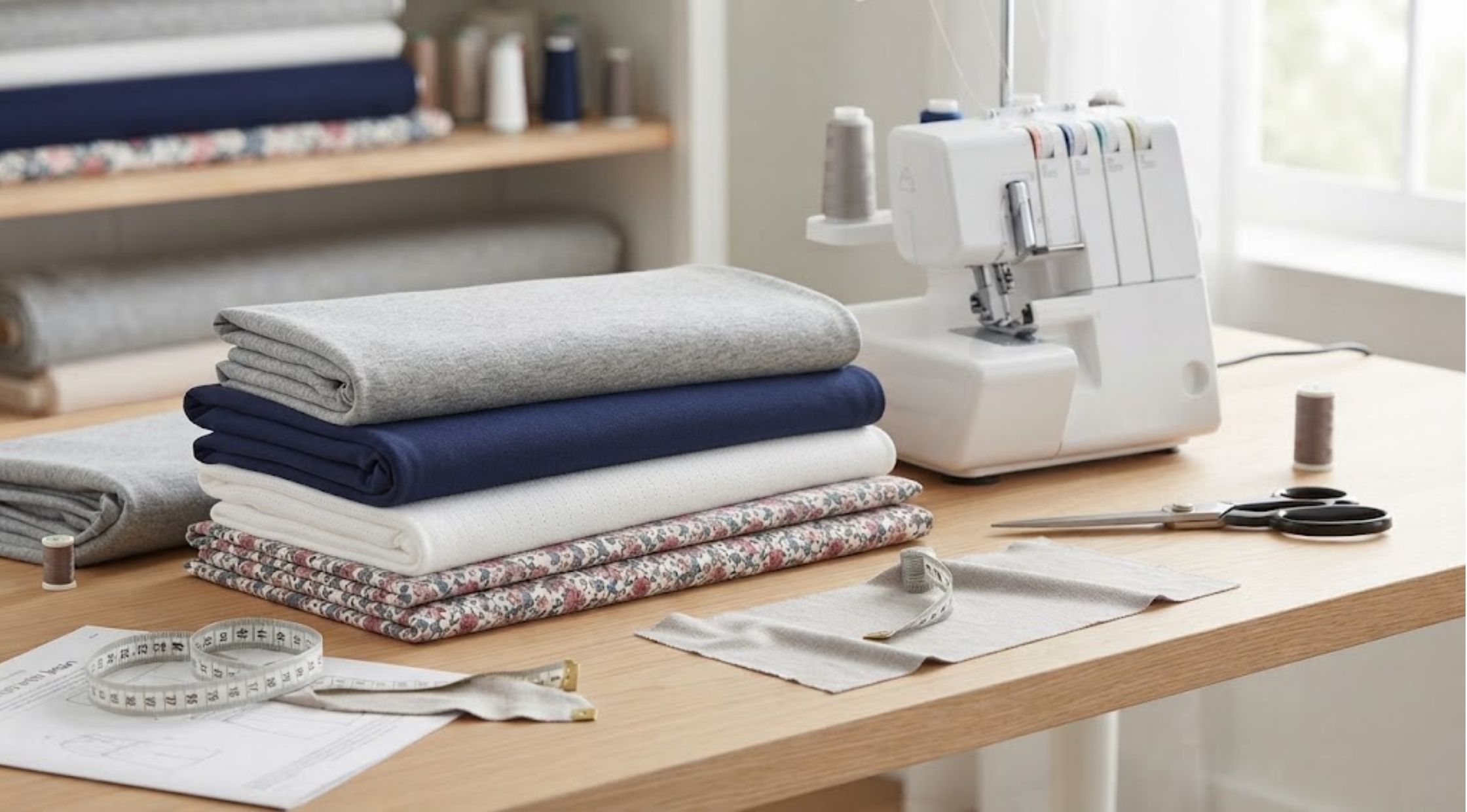
KnitFabric makes choosing the right material easier when you understand your project's needs. Have you ever purchased fabric that looked perfect online but behaved differently? Perhaps it stretched too much, curled at the edges, or lost shape after washing. These issues can quickly turn simple sewing projects into frustrating experiences. Fortunately, you can simplify fabric selection with a few practical checks. First, consider stretch, weight, recovery, texture, and intended use. These factors help you choose material that supports both appearance and performance.
Common Problems When Choosing Fabric
Too Much or Too Little Stretch
Stretch often creates challenges when you select Knit Fabric for your sewing project. Some materials stretch easily but fail to recover their original shape. Meanwhile, others offer limited flexibility and feel uncomfortable in fitted garments. This difference matters when you create leggings, fitted tops, dresses, or activewear. Therefore, consider your garment's movement requirements before purchasing fabric.
Fabric That Feels Uncomfortable
Texture also affects how your finished garment feels throughout the day. Rough or heavy materials can feel uncomfortable against your skin. Conversely, lightweight fabrics often provide greater comfort for everyday clothing. Therefore, consider where you plan to wear your finished garment. Breathable materials suit warm weather, while heavier fabrics provide additional warmth.
Shrinkage and Shape Changes
Some fabrics change after washing and can affect your finished project's appearance. Improper care can also fade colors or weaken the fabric structure. Before buying, always review the care instructions. Additionally, prewash suitable materials to reduce unexpected changes after construction.
What Causes These Fabric Problems?
Different fibers and manufacturing methods create unique fabric characteristics. Natural fibers often provide breathability and softness. Meanwhile, synthetic fibers can improve durability and stretch. For example, Cotton Lycra Fabric combines cotton's comfort with Lycra's flexible stretch. This combination suits clothing that requires softness and freedom of movement. Fabric construction also affects overall performance. A tightly constructed material can provide greater stability. In contrast, a looser structure may offer increased flexibility. Therefore, avoid choosing material based solely on color or appearance. Instead, consider how the fabric will perform throughout its lifespan.
Practical Ways to Choose Better Fabric
First, identify your sewing project's purpose before selecting any material. A casual T-shirt requires different characteristics than fitted athletic clothing. Next, check the fabric's stretch and recovery. Gently stretch a sample and watch how quickly it returns. Good recovery helps garments maintain their intended fit. You should also consider fabric weight before making your purchase. Lightweight options work beautifully for summer clothing and flowing garments. Meanwhile, medium-weight materials often provide more structure for everyday apparel. When buying Fabric by the Yard, calculate your required quantity carefully. Always check your sewing pattern's fabric requirements before ordering. Additionally, buy slightly extra material when your project allows it. Extra fabric can cover shrinkage, pattern matching, and cutting mistakes. Finally, review the washing instructions before purchasing. Choose materials that match your available care routine. Easy-care fabrics can save considerable time after completing your sewing project.
Why Quality Material Makes a Difference
Once you understand these factors, choosing better material becomes much easier. Quality fabric can improve comfort, appearance, durability, and overall sewing results. KnitFabric gives shoppers a convenient way to explore materials for different creative projects. Instead of choosing randomly, focus on characteristics that matter most for your garment. A quality Cotton Lycra Fabric can balance softness and stretch effectively. Meanwhile, other knit materials offer different levels of structure, flexibility, and texture. Ultimately, your project requirements should guide your decision. Premium material does not always mean paying more. Instead, it means choosing fabric that delivers the performance your project needs.
Benefits of Choosing the Right Fabric
Choosing suitable fabric can make sewing more enjoyable from start to finish. It can also reduce problems during cutting, stitching, fitting, and finishing.
The right material can provide:
- Better comfort during everyday wear
- More reliable garment recovery
- Improved durability after repeated washing
- Easier handling during sewing
- A more polished finished appearance
- Better value from every yard purchased
Furthermore, matching fabric characteristics with your project's purpose helps prevent unnecessary waste. You purchase what you need and create garments that perform as expected.
Conclusion
Choosing fabric becomes easier when you consider stretch, weight, comfort, construction, and care requirements. Rather than focusing only on appearance, consider how your material will perform. Whether you need versatile Knit Fabric, flexible Cotton Lycra Fabric, or convenient Fabric by the Yard, thoughtful selection improves results. KnitFabric provides a useful destination when you want to explore quality fabric options. Choose materials that match your sewing goals and support your creative projects. Make your next purchase with purpose and compare your options carefully. Ultimately, the right fabric supports your creativity from the first stitch to final wear.
Comment:
Your email address will not be published. Required fields are marked *
Our Top Picks

You Might Also Like