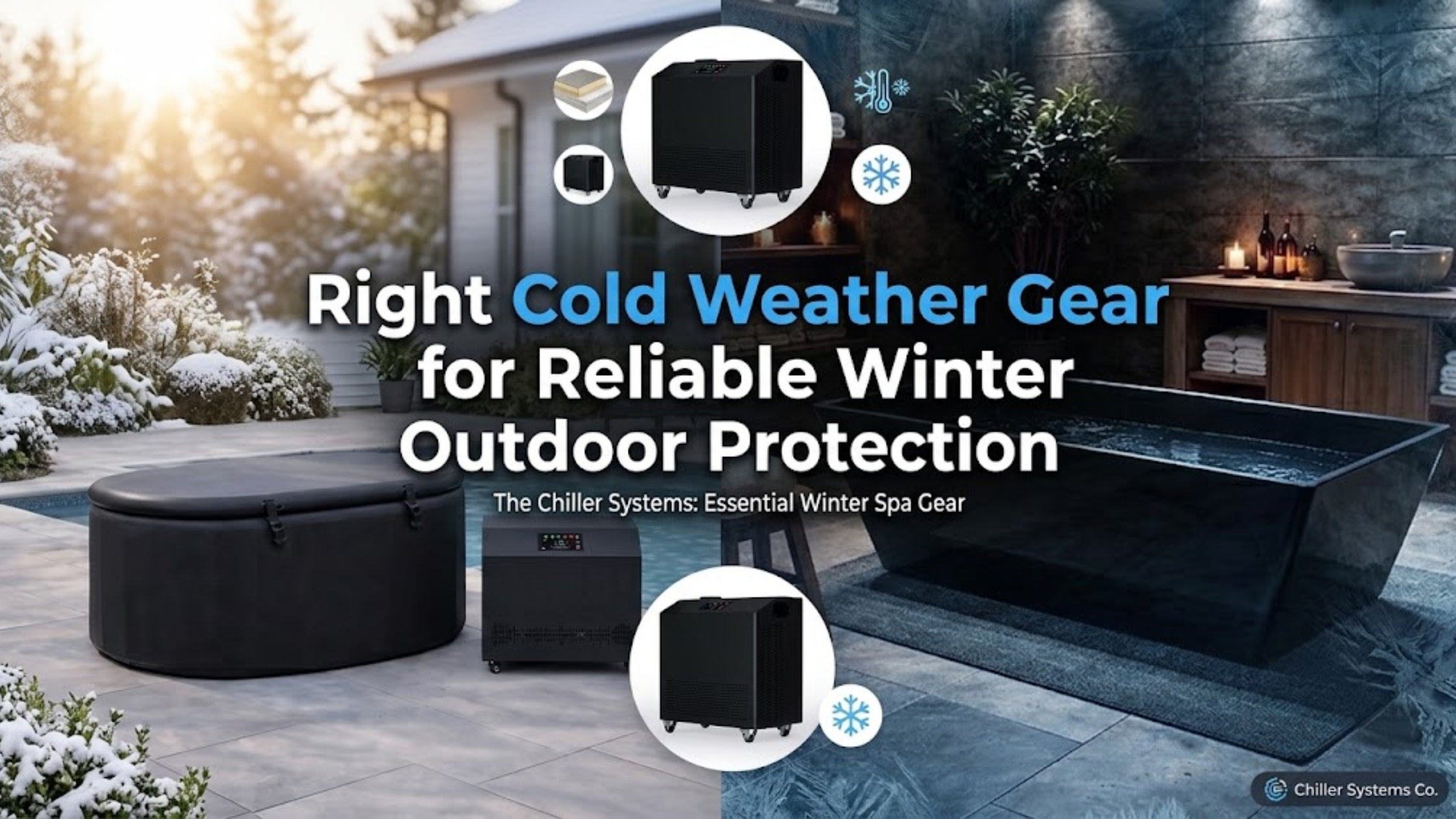
How to Choose the Right Cold Weather Gear for Reliable Winter Outdoor Protection
Learn how to choose reliable cold weather gear with proper insulation, moisture protection, and durable winter outdoor clothing for comfort in changing conditions.
Recent Blogs
- How to Choose the Right Robotic Arms for Smarter Automation
- Top Matching Hoodie and Sweatpants Sets for Cozy Self-Care
- How to Choose Gcosplay Costumes for a Comfortable and Authentic Anime Look
- How 3D Printed Shoes Improve Everyday Comfort
- Trendy Men’s Workwear Essentials That Won’t Break the Bank
- How to Find the Colors That Truly Suit You With Personal Color Analysis
- Top Luxury Shoe Trends Every Woman Needs in 2025
By Noah Bennett
·October 26 15
Cold weather can make outdoor activities uncomfortable. However, freezing temperatures, strong winds, and unexpected snowfall can quickly reduce comfort. Without proper clothing, even short outdoor trips can become challenging. Fortunately, suitable Cold Weather Gear helps you stay comfortable during winter activities. Additionally, proper layering makes outdoor experiences more manageable. By understanding your needs, you can choose practical clothing for changing conditions. For example, Canuck Cold Products offers a useful starting point when exploring cold-weather clothing options. However, understanding essential features helps you make more confident purchasing decisions.
Why Does Winter Outdoor Clothing Sometimes Fail to Keep You Warm?
Many people buy winter clothing based on appearance, price, or advertised warmth. However, attractive designs do not always protect against harsh weather. Some jackets feel warm indoors but perform poorly in freezing outdoor conditions. Meanwhile, other jackets trap moisture, restrict movement, or allow cold air inside. Consequently, unsuitable Winter Outdoor Clothing can make everyday activities uncomfortable. Fortunately, understanding these common problems helps you choose better products. Instead of repeatedly replacing clothing, prioritize performance, fit, and functionality.
Poor Insulation Reduces Warmth
Insulation helps retain body heat when temperatures drop. However, thin materials may provide insufficient warmth during extended outdoor activities. Furthermore, poorly constructed garments can allow heat to escape through gaps. Therefore, choose insulated jackets that match your local climate and activity level. Additionally, consider synthetic insulation or down based on your environmental conditions. Synthetic insulation often performs better in damp conditions. Meanwhile, down insulation provides excellent warmth while maintaining a lightweight design.
Wind and Moisture Increase Discomfort
Cold winds can make outdoor conditions feel significantly harsher. Meanwhile, snow and rain can dampen clothing and reduce comfort. Additionally, wet insulation may lose effectiveness, depending on its construction. Therefore, choose wind-resistant outer layers and suitable water-resistant or waterproof protection. Before purchasing, check the product specifications carefully. Also, consider breathability if you plan to walk, hike, or perform physical work.
Uncomfortable Fits Limit Movement
Cold winds can make outdoor conditions feel significantly harsher. Meanwhile, snow and rain can dampen clothing and reduce comfort. Additionally, wet insulation may lose effectiveness, depending on its construction. Therefore, choose wind-resistant outer layers and suitable water-resistant or waterproof protection. Before purchasing, check the product specifications carefully. Also, consider breathability if you plan to walk, hike, or perform physical work.
What Causes Poor Performance in Cold Weather Gear?
Several factors affect winter clothing performance outdoors. Therefore, understanding these factors helps you compare products more effectively.
Choosing the Wrong Fabric
Different materials offer varying warmth, breathability, and moisture management. For example, cotton absorbs moisture and dries relatively slowly. Consequently, cotton can feel uncomfortable during strenuous outdoor activities. Instead, choose moisture-wicking base layers made from suitable synthetic fabrics or merino wool. These materials manage perspiration more effectively. Then, add insulating layers to help retain warmth.
Ignoring Weather Conditions
A lightweight jacket works well during mild winter days. However, it may offer inadequate protection during freezing temperatures or strong winds. Similarly, heavy insulated clothing may cause discomfort during active movement. Therefore, match your clothing to expected temperatures, wind, precipitation, and activity intensity. Additionally, check local forecasts before planning extended outdoor trips. This simple habit helps you prepare suitable layers for changing weather conditions.
Overlooking Product Construction
Small design details can significantly improve overall comfort. For example, exposed zippers may allow cold air to enter. Additionally, weak closures can reduce protection during windy conditions. Therefore, inspect the stitching, zipper quality, and pocket placement carefully. Also, check adjustable features and choose durable materials for your intended use. Canuck Cold can be considered when exploring cold-weather clothing options. Ultimately, these details improve everyday practicality and deliver better long-term value.
How to Choose Winter Outdoor Clothing That Performs Better
You don’t need an oversized wardrobe to handle winter conditions. Instead, build a practical clothing system that addresses different weather challenges.
Follow the Three-Layer Clothing System
Layering provides flexibility when temperatures or activity levels change. Moreover, each layer serves a specific purpose. - Base Layer: First, choose moisture-wicking fabric to help manage perspiration. - Midlayer: Next, add fleece, wool, or another insulating material to retain warmth. - Outer Layer: Finally, select a wind-resistant or waterproof shell for environmental protection. This approach helps you adjust clothing throughout the day. For example, remove a layer when increased activity raises your body temperature. Conversely, add protection when temperatures drop or wind conditions worsen.
Prioritize Essential Features
Before purchasing Cold Weather Gear, evaluate the features that matter most. First, consider insulation, weather resistance, durability, and comfort. Additionally, look for adjustable hoods, secure pockets, protective collars, and suitable closures. Also, check whether the garment allows comfortable movement during daily activities. These features prove especially useful during commuting, outdoor work, and recreational activities. However, avoid paying extra for features you rarely need. Instead, choose practical gear that matches your lifestyle and everyday requirements. A smart purchase prioritizes essential features over unnecessary specifications.
Consider Durability and Long-Term Value
However, the cheapest option may not always provide the best value. Poor stitching, unreliable zippers, and unsuitable fabrics can shorten a garment's lifespan. Consequently, replacing these items repeatedly may increase your overall spending. Therefore, compare material quality, construction, care requirements, and product specifications before purchasing. Additionally, read customer reviews to identify recurring sizing or durability concerns. Finally, check warranty terms and return policies whenever available.
Why Consider Canuck Cold Products for Winter Protection?
Finding dependable winter clothing becomes easier when you identify your priorities. Therefore, explore Canuck Cold Products when researching cold-weather apparel and practical winter protection. Before choosing an item, carefully review its specifications. Specifically, check insulation details, fabric composition, construction, sizing, and intended use. These factors help you determine whether a garment suits your environment and activities. Instead of focusing solely on appearance, evaluate how each item meets your specific needs. For example, outdoor workers may prioritize durability and freedom of movement. Meanwhile, commuters may prefer comfortable insulation and convenient pockets. Additionally, compare available products with competing options. This comparison helps you identify suitable Winter Outdoor Clothing without relying entirely on marketing claims.
What Are the Benefits of Upgrading Your Winter Clothing?
Investing in suitable winter apparel improves everyday comfort. Moreover, garment quality, features, and suitability determine its benefits in specific weather conditions.
Better Comfort During Outdoor Activities
Proper insulation and layering help people stay comfortable during cold weather. Additionally, breathable fabrics help manage moisture during physical activities. Consequently, suitable clothing makes outdoor tasks and recreational activities more comfortable and manageable.
Greater Flexibility Across Changing Conditions
Versatile garments provide comfort when temperatures fluctuate. Moreover, removable layers, adjustable cuffs, and protective outer shells offer greater flexibility. Therefore, you can adapt your clothing to changing conditions instead of buying separate outfits.
Improved Practicality and Potential Long-Term Value
Durable construction helps clothing withstand regular use. Additionally, functional pockets and reliable closures simplify daily activities. However, higher prices do not guarantee better performance. Therefore, carefully selected products may deliver greater value over time. Instead, evaluate products based on measurable features rather than price alone. Finally, confirm that the expected benefits justify the additional cost.
Make Smarter Choices When Buying Cold Weather Gea
Staying comfortable outdoors requires understanding your environment and clothing needs. Therefore, prioritize insulation, moisture management, wind protection, and freedom of movement. Additionally, evaluate durability, practical features, and long-term value before purchasing. When comparing winter clothing solutions, consider Canuck Cold Products as one option. Next, review product specifications and match them against your daily requirements. However, remember that no single garment suits every climate or outdoor activity. Ultimately, the best Cold Weather Gear combines practical design with appropriate protection. Therefore, build a flexible layering system and replace unsuitable items thoughtfully. Furthermore, explore Winter Outdoor Clothing that supports your routine without unnecessary spending. With informed choices, you can enjoy winter with greater comfort and confidence.
Comment:
Your email address will not be published. Required fields are marked *
Our Top Picks

You Might Also Like