How to Find the Colors That Truly Suit You With Personal Color Analysis
You're not alone.
Recent Blogs
- How to Solve Automotive Hiring Challenges With Smarter Recruitment Strategies
- Top Streetwear Essentials For Your Wardrobe
- How to Build a Home Workout Routine Without Turning Your House Into a Gym
- How to Choose Cat Products That Keep Your Pet Happy and Active
- Best Walking Shoes for Nurses: Stylish Comfort for Long Hospital Shifts
- How to Choose the Right Bicycle Accessories for Safer and More Comfortable Rides
- How to Choose the Right Electric Bikes for Adults for Everyday Convenience
September 26 18
Have you ever bought a beautiful top, lipstick, or hair color only to put it on and think, “Why doesn't this look as good on me as it did in the store?”
You're not alone.
Sometimes the problem isn't the style, fit, or quality. The color itself may simply not work as harmoniously with your natural coloring. This can make shopping frustrating because a shade that looks amazing on someone else may leave you feeling washed out, overly pale, or simply less confident.
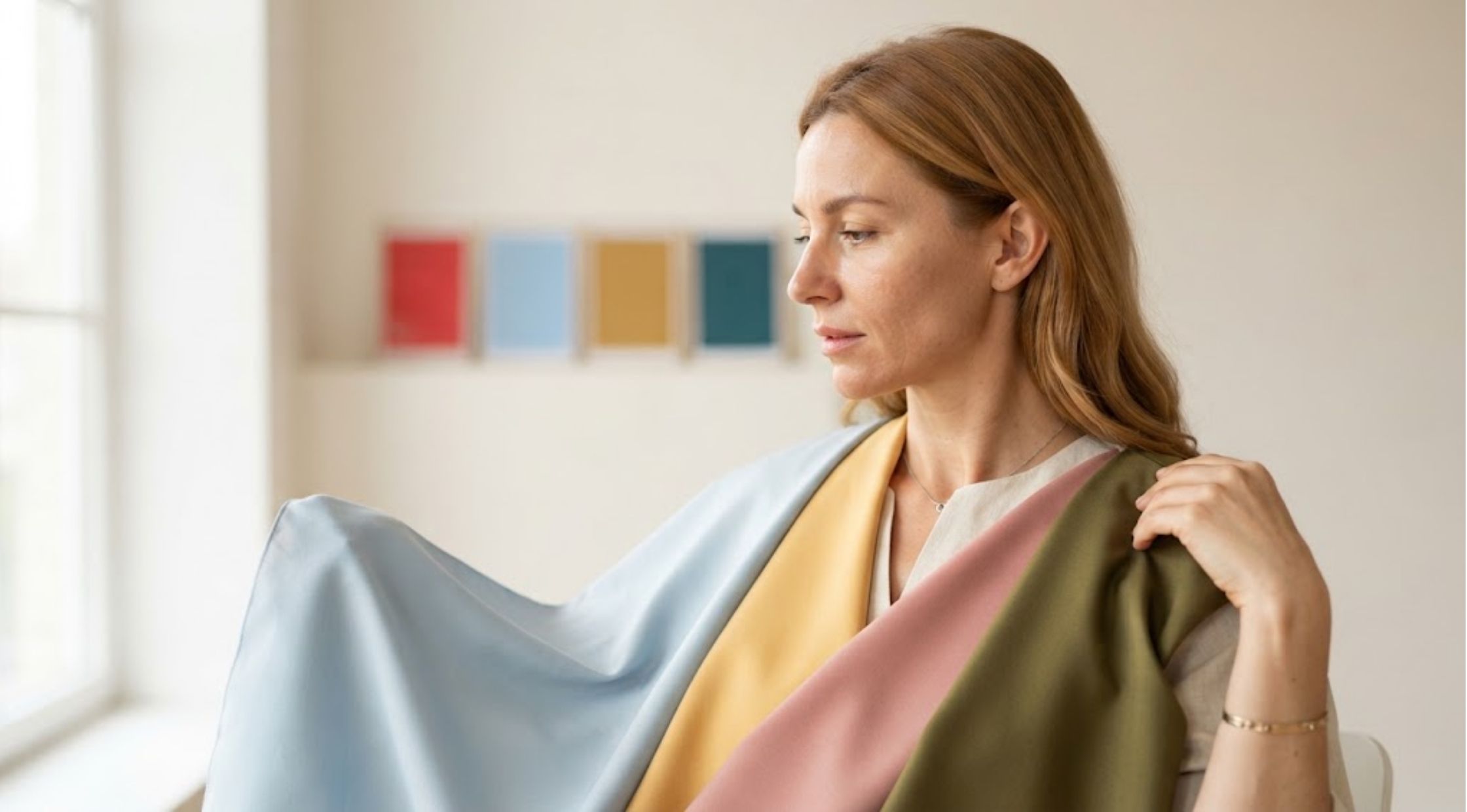
That's where Personal Color Analysis can become a useful styling tool. Instead of guessing which colors work best, you can learn more about the relationship between your natural coloring and the shades you choose for clothing, makeup, hair, and accessories.
Why Is Choosing the Right Color So Difficult?
Walk into any clothing store, and you'll see dozens of shades of the same basic color.
There isn't just one blue. There are icy blue, navy, turquoise, dusty blue, royal blue, teal, and countless variations in between.
The same applies to pink, red, green, brown, white, and virtually every other color.
This is why simply deciding that you “look good in blue” isn't always enough.
The specific undertone, depth, brightness, and intensity of a color can change the overall effect. A warm coral may look very different from a cool pink, while cream can create a different effect from bright white.
Understanding these differences can make shopping much easier.
What Is Seasonal Color Analysis?
Seasonal Color Analysis is a styling system that groups natural coloring into four broad seasons: Spring, Summer, Autumn, and Winter. Each season is associated with a particular range of colors that can complement certain combinations of skin, hair, and eye coloring.
The system can then be divided into more specific sub-seasons.
For example, someone may fall into a palette such as Light Spring, True Autumn, Soft Summer, or Dark Winter. The goal isn't to put strict limits on what you can wear. Instead, it provides a framework for understanding which shades may work particularly well with your natural features.
Four Seasons Studio describes its analysis as being based on features such as skin tone, hair, and eyes, and offers seasonal color palettes as part of its online services.
Common Color-Matching Problems
Buying Colors Because They're Trending
Trends change constantly.
One year, a particular shade may be everywhere, encouraging you to buy several pieces in it. But if you don't feel comfortable wearing that color, those purchases may end up sitting unworn in your wardrobe.
Understanding your personal palette can help you distinguish between colors you like looking at and colors you actually enjoy wearing.
Choosing Makeup by Trial and Error
Foundation, blush, lipstick, and eyeshadow can also be affected by undertones and overall coloring.
You may repeatedly buy products that look beautiful in their packaging but don't create the effect you expected when applied.
Making Expensive Wardrobe Mistakes
A closet full of clothes doesn't necessarily mean you have an easy-to-wear wardrobe.
If many pieces don't coordinate with one another or don't complement your coloring you can still feel as though you have “nothing to wear.”
How Personal Color Analysis Can Help
A useful Personal Color Analysis gives you a framework for making future style decisions.
Instead of asking, “Do I like this color?”, you can ask additional questions:
- Does this shade complement my natural coloring?
- Is it too bright or too muted?
- Is the undertone warm or cool?
- Does the depth of the color work with my overall contrast?
- Will it coordinate with colors I already own?
This doesn't mean you have to stop wearing colors you love. Personal style is still personal.
Rather, your palette can act as a guide when you're deciding where to spend money or which shades to prioritize.
Use Your Palette Beyond Clothing
One of the biggest advantages of learning your colors is that the information can be applied across different parts of your appearance.
Clothing
Start with everyday pieces such as tops, jackets, sweaters, and dresses. Your most flattering shades can become the foundation of your wardrobe.
Makeup
Use your palette as a starting point when exploring lipstick, blush, eyeshadow, and other makeup shades.
Jewelry
Metal choice can also become part of your styling decisions. Some color-analysis systems consider whether gold, silver, or other metallic finishes harmonize better with your overall coloring.
Hair
Your palette can also provide inspiration when you're considering a new hair color. It doesn't replace professional advice from a hairstylist, but it can help you communicate the kind of warmth, coolness, depth, or brightness you're considering.
Four Seasons Studio's more detailed color-analysis offerings can include guidance on base colors, color combinations, jewelry metals, accessories, prints, and colors to avoid.
DIY or Professional Analysis?
There are two common ways to explore color analysis.
A DIY approach can be a good starting point if you enjoy experimenting and learning the basics yourself. However, lighting, photo quality, screen settings, and personal interpretation can make online self-assessment confusing.
A professional analysis provides another option if you want someone else to evaluate your coloring and provide more personalized guidance.
Four Seasons Studio currently offers both a DIY Color Analysis Kit and a Professional Online Color Analysis. Its online model allows customers to complete the process from home, while professional analysis uses submitted photos for personalized guidance.
Why Investing in a More Complete Analysis Can Be Worthwhile
The value of a detailed analysis isn't simply getting a label such as “Winter” or “Autumn.”
The real benefit is having information you can use repeatedly.
Instead of making isolated purchasing decisions, you can gradually build a more coordinated wardrobe and become more confident when choosing makeup, accessories, and other style elements.
A detailed service can also provide a reference palette that you can keep available when shopping.
For shoppers who want more guidance, Four Seasons Studio's higher-level color packages can include extensive palette information, base colors, combinations, jewelry metals, accessories, prints, contrast levels, and stylist tips.
That can be particularly useful if you're rebuilding your wardrobe or trying to make more intentional purchasing decisions.
Make Your Wardrobe Easier to Shop
You don't need to replace your entire closet after discovering your colors.
Start small.
Look at the clothes you already own and identify shades that consistently make you feel comfortable and confident. Then compare those with your recommended palette.
When buying something new, consider whether it works with several existing pieces rather than treating every purchase as a standalone item.
Over time, this approach can reduce random purchases and help you develop a wardrobe that feels more cohesive.
Your Colors Should Guide You, Not Restrict You
The biggest misconception about Seasonal Color Analysis is that it has to become a strict set of rules.
It doesn't.
If you love a particular color that isn't part of your suggested palette, you're still free to wear it. Personal style should reflect your personality, preferences, and lifestyle.
Think of your analysis as a shortcut, not a restriction.
By understanding your coloring, you can make more informed decisions when you want a particularly flattering effect, while still experimenting whenever you feel like it.
A service such as Four Seasons Studio can provide a convenient starting point for anyone who wants to explore their palette online, whether through a DIY kit or a more personalized professional analysis.
Ultimately, finding your best colors isn't about following fashion rules perfectly. It's about understanding what works for you so that getting dressed, shopping, and experimenting with your appearance become a little easier.
If you've been repeatedly buying colors that look great in the store but don't feel quite right once you wear them, Personal Color Analysis may give you the missing piece of the puzzle.
Comment:
Your email address will not be published. Required fields are marked *
Our Top Picks

You Might Also Like